← All models
    Decision models

    Decisions with probabilities you can act on

    Route support messages, check claims, flag risks and score content. Ask PurpleMIST typed questions about text and images, and get a calibrated probability for every answer in a single pass.

    $1 of free credit · open weights on Hugging Face
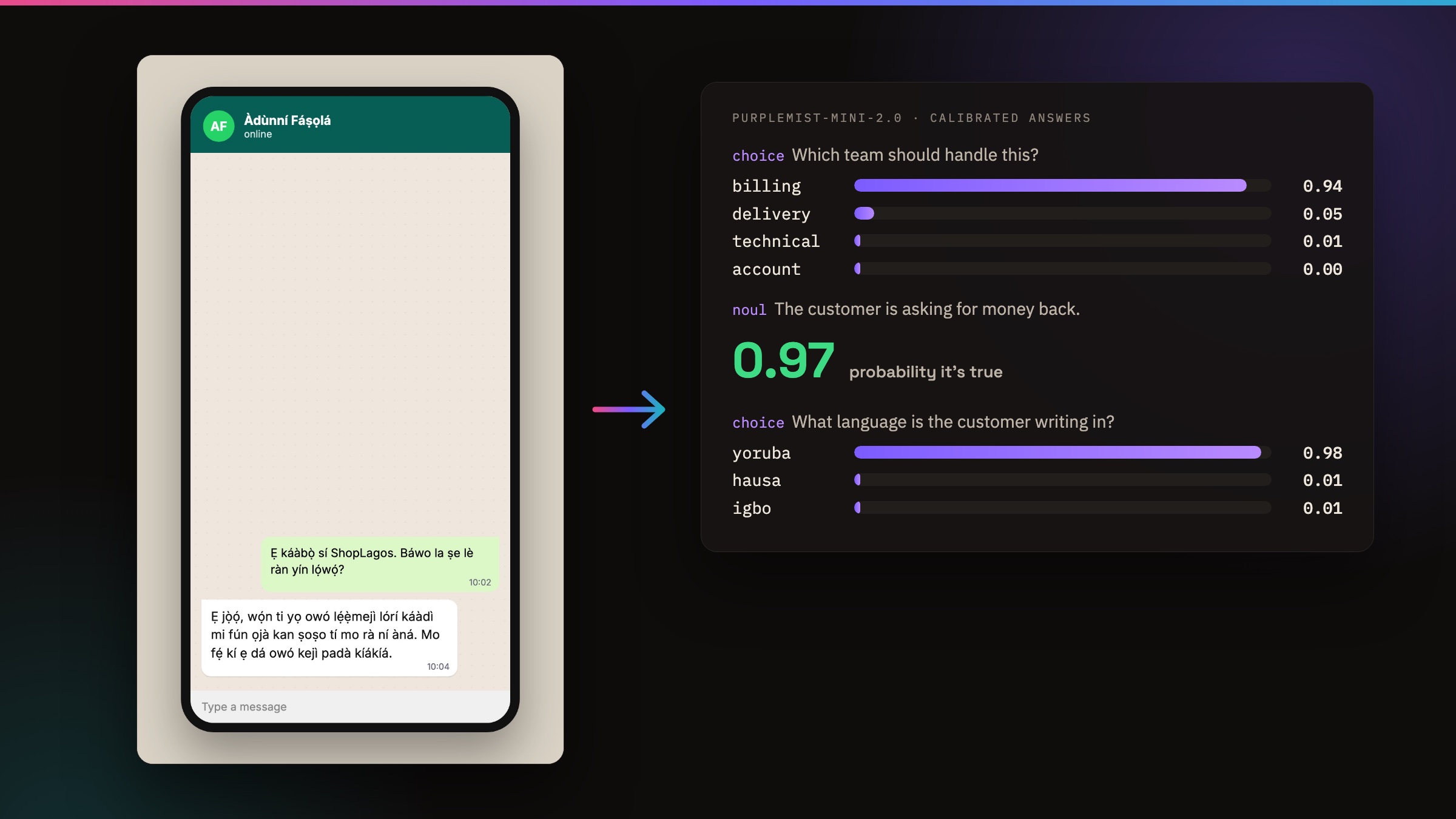
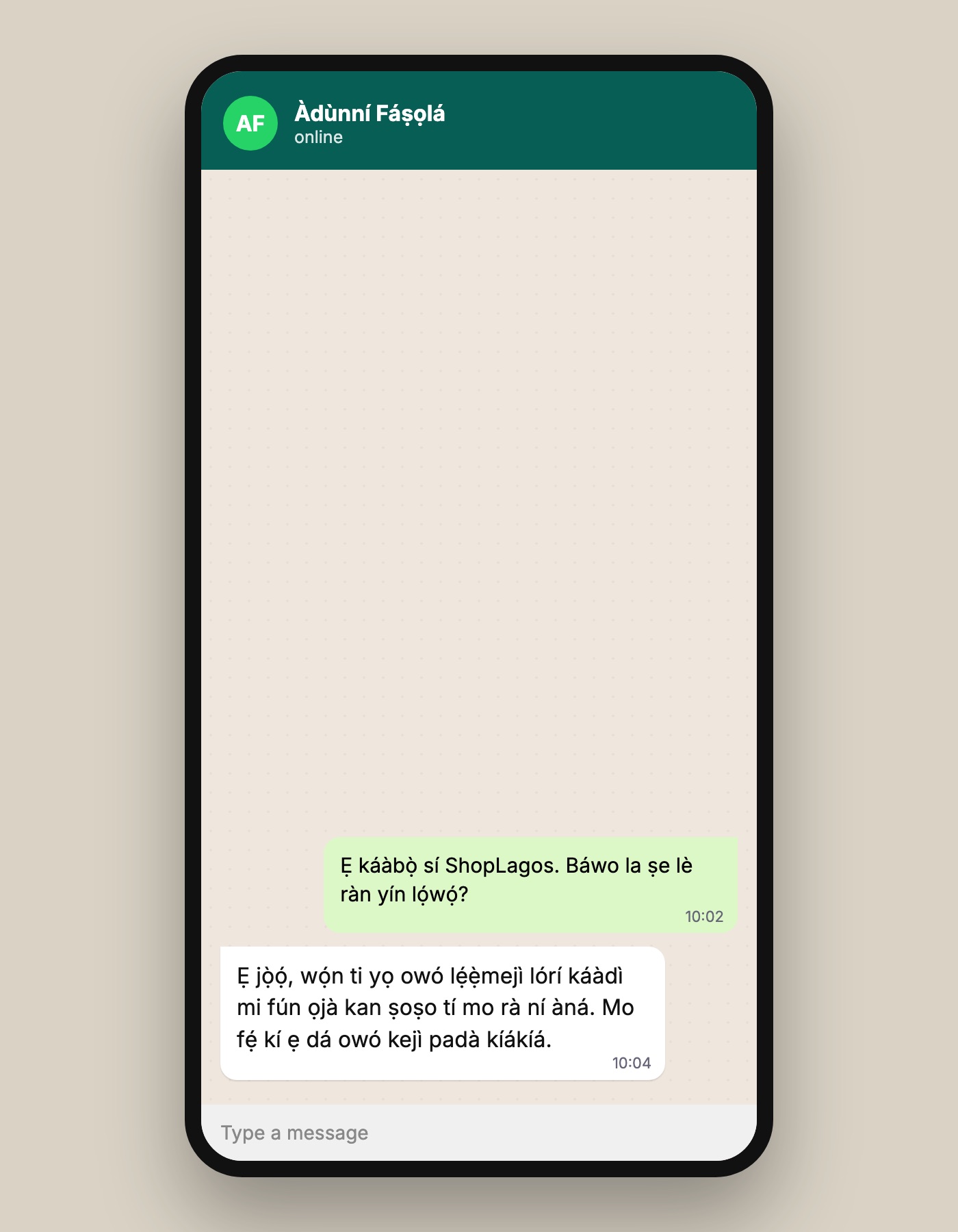
    A WhatsApp message in Yorùbá answered with calibrated probabilities for team, refund and language
    0.723
    LocalLLaMA/typed-decisions, English zero-shot
    63.7
    Jev Decision Index vision suite, 6th of 24 up to 6B
    19
    Languages evaluated and calibrated
    $0.02
    Per million input tokens, output free
    / What it does

    Typed questions

    Choice, yes/no (noul) and score questions, up to 64 per call, all answered in one pass over the input.

    Calibrated probabilities

    A 0.9 means right about 9 times in 10, separately calibrated for text and images, so thresholds mean what they say.

    Reads images

    Receipts, screenshots and photos, up to 16 per call: 0.984 on held-out receipts, 0.907 on screenshots and real photos.

    Multilingual

    Evaluated in 19 languages, and questions can be in a different language from the message (0.937 held out).

    Fast and cheap

    A median 70 ms per decision on the Decision Index. $0.02 per million input tokens, with no charge for output.

    System One compatible

    Works with System One requests as they are, including image assets and image_url parts.

    / Live output

    See it decide

    Pick an input. The answers are exactly what PurpleMIST-Mini-2.0 returned on our API, reading the image itself.
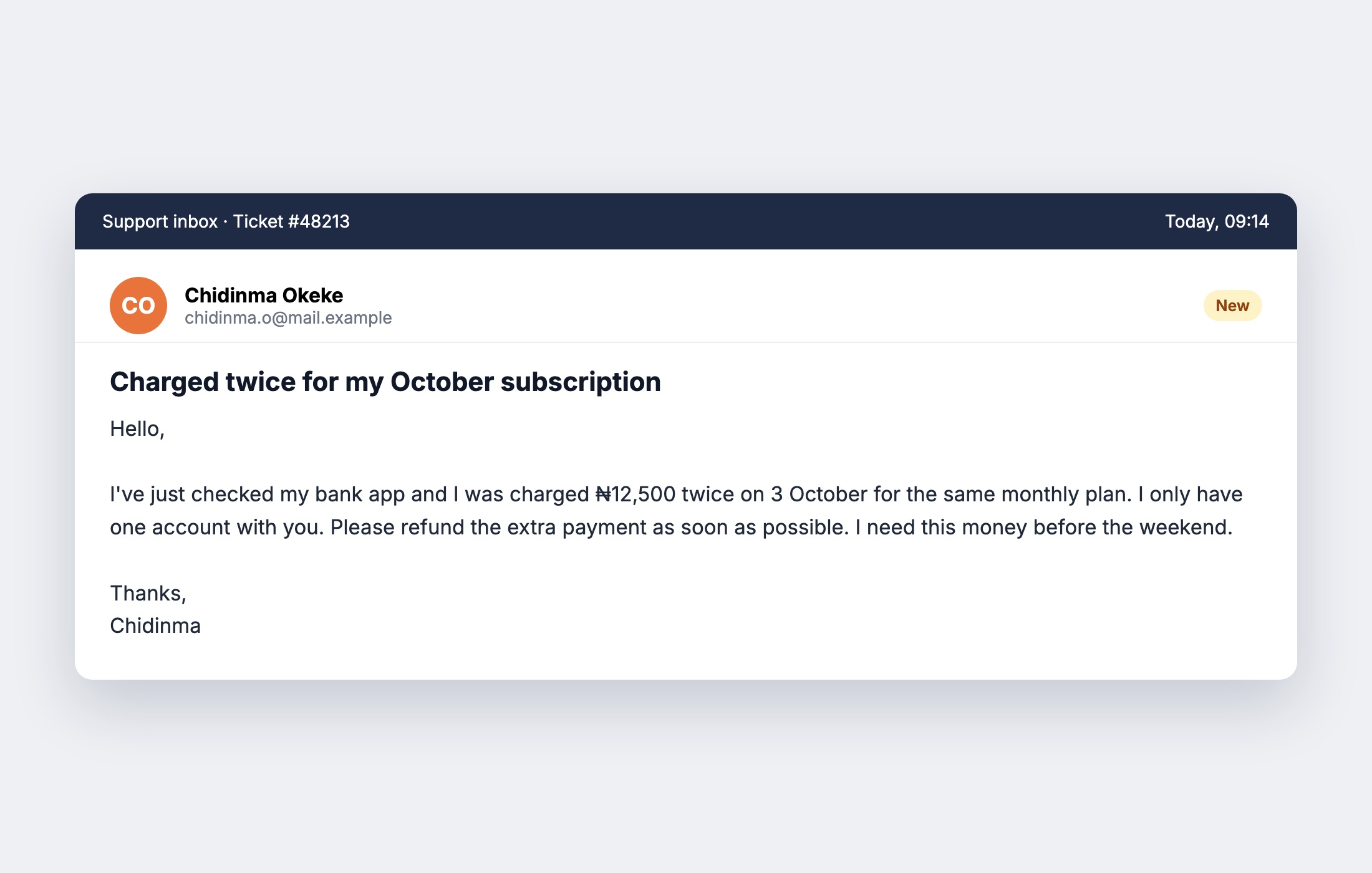
    Input imageA customer support email about a double charge
    PurpleMIST-Mini-2.0
    choiceWhich team should handle this message?
    billing
    1.00
    technical
    0.00
    account
    0.00
    delivery
    0.00
    noulThe customer is asking for money back.
    0.99probability it’s true
    scoreHow urgent is this?
    expected level 2.31
    immediately
    0.49
    today
    0.35
    this week
    0.13
    can wait
    0.02

    Sample inputs with invented people and businesses. Each bar is the model’s probability for that answer.

    / Benchmarks

    Flash accuracy at half the size

    PurpleMIST-Mini-2.0 (4.5B) against the previous generation, on public benchmarks.

    LocalLLaMA/typed-decisions

    English, zero-shot, accuracy.

    • PurpleMIST-Mini-2.0 (4.5B)0.723
    • PurpleMIST-Flash-1.0 (7.9B)0.720
    • PurpleMIST-Mini-1.00.601

    Jev Decision Index, public text suite

    Score out of 100. All 140,178 requests answered whole, none truncated.

    • PurpleMIST-Mini-2.0 (4.5B)46.5
    • PurpleMIST-Flash-1.0 (7.9B)46.7
    • PurpleMIST-Mini-1.013.1
    Jev Decision Index leaderboard
    / Built for
    WhatsApp message in Yorùbá

    Support routing

    Send each message to the right team, spot refund requests and urgency, in the customer’s own language.
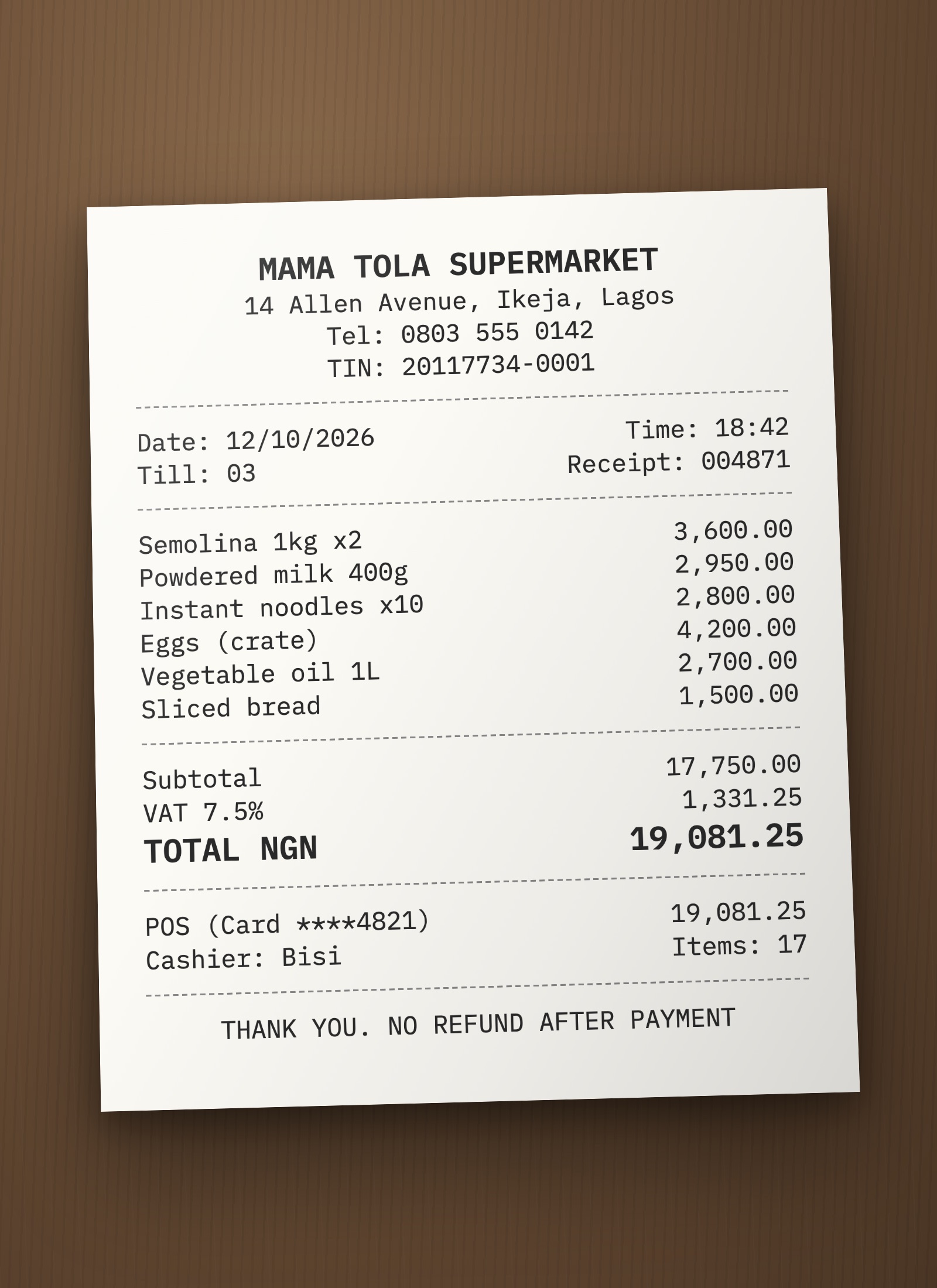
    Receipt photo

    Claims and expenses

    Check that a receipt matches the claim, its date and category, and automate the confident ones.
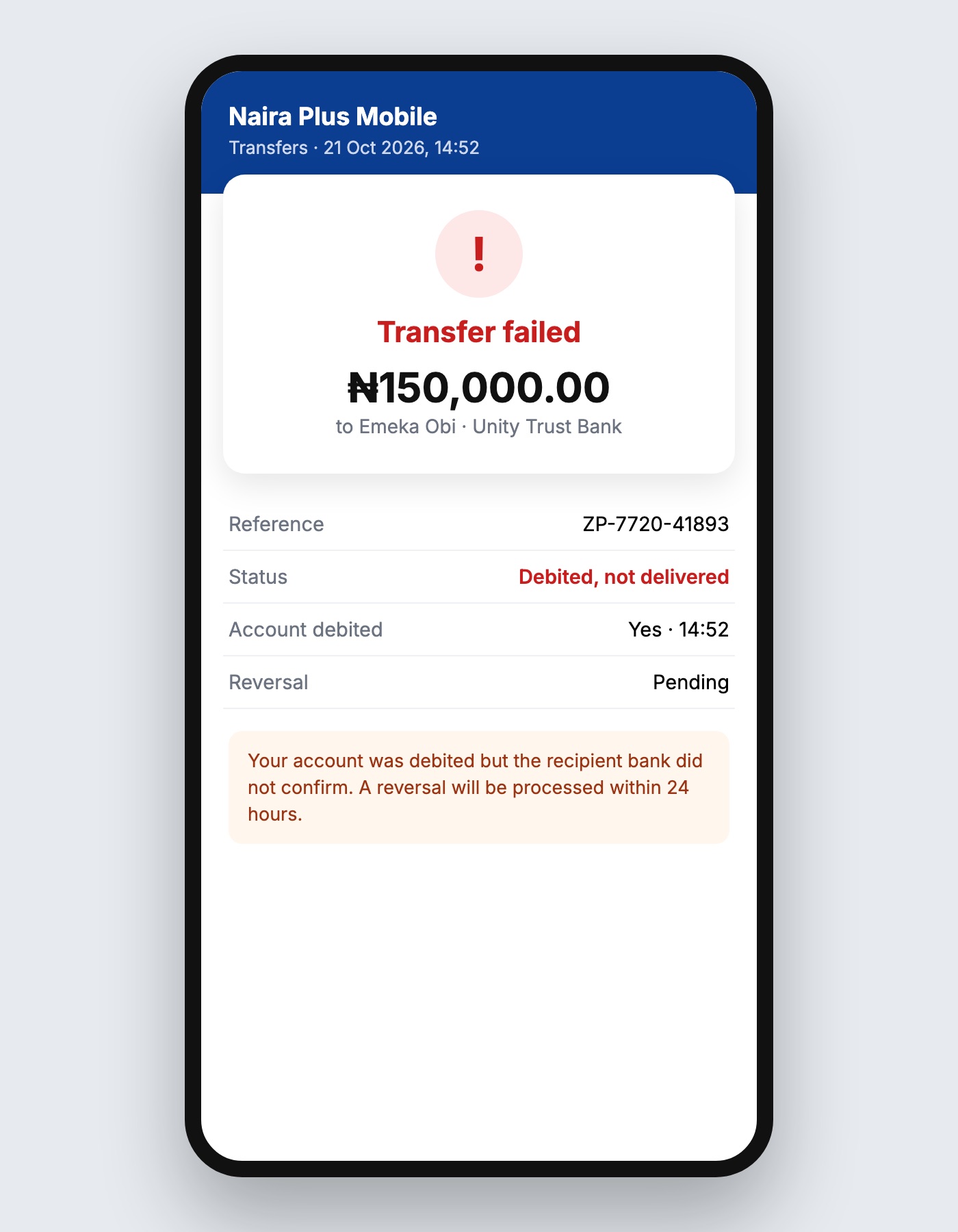
    Banking app screenshot

    Payments and fintech

    Read the customer’s screenshot of a failed transfer and route the dispute before anyone opens it.

    / By sector

    Where it fits

    PurpleMIST answers typed questions about a message, document or image with a calibrated probability for every answer. That fits anywhere a team makes the same judgement thousands of times a day and needs to know which ones to check.

    Financial services and fintech

    High-volume checks where a wrong "yes" costs money, and a probability tells you which cases to review.

    • →Is this a genuine payment confirmation? Does the receipt total add up? It reads screenshots and photos alongside the text, at 0.984 accuracy on held-out receipts.
    • →Flag scam and phishing messages, including in Yorùbá, Hausa, Kiswahili and other African languages, where most filters are weakest.
    • →Triage disputes and chargebacks: refund requested, fraud suspected, needs a person, in one pass.

    WatchUse it to decide what a person should look at, not to make adverse decisions such as declining credit on its own. Keep the probability and the inputs for audit.

    Customer support and operations

    Probably the easiest first deployment: easy to measure, and a misrouted ticket is cheap to fix.

    • →Route tickets, chats and emails by intent, urgency and team, answering every question about a message together instead of chaining prompted LLM calls.
    • →Run the same questions in English, eight African languages and ten other major languages, without a separate model per language.
    • →Read long threads and case histories whole: it is trained on states up to 98,304 tokens and never truncates.

    Trust and safety

    • →Moderation with a probability, not just a label, so you can set different thresholds for removal, review and leave alone.
    • →Ask policy-specific questions in your own words (is this a threat, is this spam, is personal data exposed) and change them without retraining.

    WatchIt is evaluated in 19 languages. Beyond them it still works, but check your thresholds on a labelled sample in each new language before relying on them.

    Insurance and claims

    • →Read the claim text and the photos together: does the damage described match the image, is the invoice for the insured item, is anything missing.
    • →Send clear-cut claims straight through and route uncertain ones to an adjuster, using the probability as the switch.

    WatchClaim outcomes need a person. Use it to sort and pre-check, not to settle.

    Marketplaces and e-commerce

    • →Check listings against your rules (prohibited item, misleading claim, wrong category) and returns claims against their photos.
    • →Sort seller and buyer messages for fraud signals in the languages your customers write in.

    Government, NGOs and public services

    • →Triage citizen messages, hotline transcripts and feedback forms in local languages: which department, how urgent, does it report harm.
    • →Self-host the open weights when messages can’t leave your infrastructure.

    WatchAnything that affects someone’s entitlements or safety needs a person in the loop.

    A production pattern that works across sectors

    1. 01Write your decisions as typed questions: yes/no/unclear, a choice between named options, or a score.
    2. 02Run them over a few hundred real cases you have already labelled, in each language you serve.
    3. 03Set two thresholds from the calibrated probabilities: above one, act automatically; below the other, act the other way; in between, send to a person.
    4. 04Log every answer with its probability, and review a sample of the automatic ones each week.
    5. 05Re-check thresholds when your traffic changes: a new language, a new product, a new kind of fraud.
    / The lineup

    The PurpleMIST models

    DECISIONS · VISION

    PurpleMIST-Mini-2.0

    Flash-level decisions at half the size, now reading images.

    0.723
    LocalLLaMA/typed-decisions, English zero-shot
    46.5
    Jev Decision Index, public text suite
    63.7
    Jev Decision Index, public vision suite
    4.5B
    Parameters
    Best for
    • Checking receipts, invoices and screenshots: does the total add up, what kind of purchase is it, is this a genuine payment confirmation.
    • Routing and triaging tickets, chats and emails in English, African languages and other major languages.
    • Moderation, compliance and KYC checks where you need a probability, not just a label.
    / Previous generation

    Still available to download and run yourself. For new work, use the current lineup above.

    PurpleMIST-Flash-1.0 →DeepSeek-V4-Pro-level decisions from a model 200× smaller.Superseded by PurpleMIST-Mini-2.0
    PurpleMIST-Mini-1.0 →PurpleMIST decisions in 1.9B parameters.Superseded by PurpleMIST-Mini-2.0
    / Side by side

    Compare the PurpleMIST models

    PurpleMIST-Mini-2.0 →PurpleMIST-Flash-1.0 →PurpleMIST-Mini-1.0 →
    Parameters4.5B7.9B1.9B
    LocalLLaMA/typed-decisions (English, zero-shot)0.7230.7200.601
    African Typed Decisions (8 languages)0.6360.6680.416
    Jev Decision Index, public text suite46.546.713.1
    ImagesYesNoNo
    Languages19English and 8 AfricanEnglish
    Best forText and images at lower costReasoning-heavy and African-language textEnglish on small hardware
    GenerationCurrentPreviousPrevious
    On the Olaverse APIYesNo, self-host onlyNo, self-host only
    / Run it your way

    Choose how to run it

    Olaverse API

    The fastest start: an API key, pay as you go, $1 of free credit.

    • ✓$0.02 per million input tokens, and no charge for output. An image costs at most about $0.00002.
    • ✓Calibrated outputs, no infrastructure
    • ✓Your data is never stored or used for training
    Get an API key

    Open weights

    Download the model and run it on your own GPUs.

    • ✓Hugging Face, open licence
    • ✓Keep every document in your environment
    • ✓Fine-tune on your own data
    Get the weights

    Enterprise

    A private deployment, tuned to your data and workflows.

    • ✓Private cloud or on-premises
    • ✓Fine-tuning on your labels
    • ✓Volume pricing and support
    Talk to us
    / FAQ

    Questions

    What is a typed question?+

    A question with a fixed answer type: choice (one of your options), noul (a yes/no statement, answered as the probability it’s true) or score (a level on your scale). The model returns a probability for every option.

    Why calibrated probabilities instead of text?+

    Because you can act on them. Auto-route above 0.9, send the rest to a person, and the share of mistakes you let through is predictable.

    Can I send images?+

    Yes: up to 16 per call, as base64, data URLs, System One assets or image_url parts. They count as input tokens, at most about 1,024 tokens each.

    Which languages does it support?+

    It is evaluated and calibrated in 19 languages, including English, Yorùbá, Hausa, Igbo, Swahili, Amharic and isiZulu. It works in many more, but check your thresholds outside those 19.

    Is my data stored?+

    No. Inputs are processed in memory, never logged and never used for training.